A tenet of Warren Buffett’s investment philosophy is “buying wonderful businesses at fair prices.” In classic Buffett style, it’s folksy, intuitive, and often repeated by ambitious investors. The trouble is, it’s much easier said than done.
Identifying “wonderful” businesses is the easy part: Do they have high-quality products/services? Are they profitable? Growing? Well-managed? Is their customer service top-notch?
The hard part is identifying a “fair” price. The best businesses, the obviously terrific ones, are rarely cheap. These beacons of greatness attract investors like moths to a flame. Starry-eyed investors, eager to call themselves shareholders in the world’s best businesses, drive the prices up. When prices for these businesses reach dizzying heights, beyond any reasonable definition of “fair”, the results are…well, like what happens when a moth flies directly into a flame.
The Dot Com bubble is a prime example of the perils of investing in businesses at nosebleed valuations. After the collapse, Scott McNealy, CEO of Sun Microsystems, perfectly described how a wonderful business, purchased at an expensive price, can be a horrible investment:
Two years ago, we were selling at 10 times revenues when we were at $64. At 10 times revenues, to give you a 10-year payback, I have to pay you 100% of revenues for 10 straight years in dividends. That assumes I can get that by my shareholders. That assumes I have zero cost of goods sold, which is very hard for a computer company. That assumes zero expenses, which is really hard with 39,000 employees. That assumes I pay no taxes, which is very hard. And that assumes you pay no taxes on your dividends, which is kind of illegal. And that assumes with zero R&D for the next 10 years, I can maintain the current revenue run rate. Now, having done that, would any of you like to buy my stock at $64? Do you realize how ridiculous those basic assumptions are? You don’t need any transparency. You don’t need any footnotes. What were you thinking?
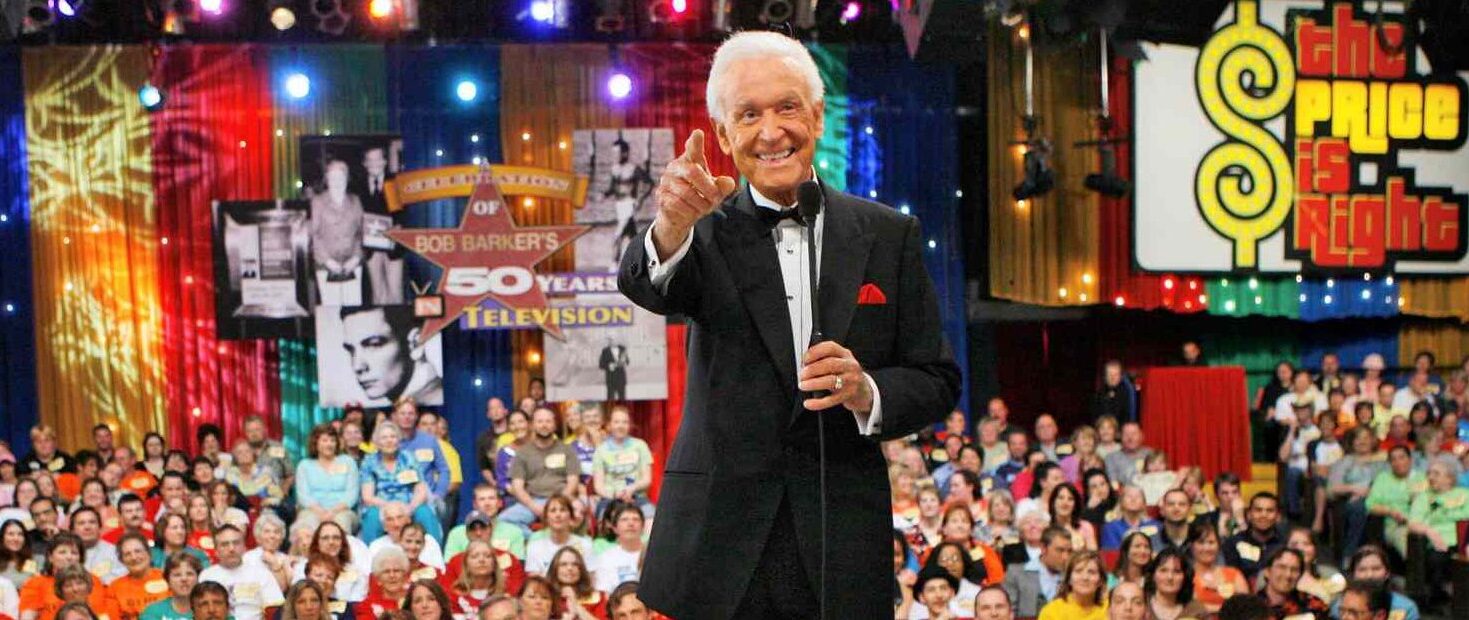
Today, NVDA, whose microchips will presumably play a big role in the next phase of artificial intelligence (AI), is selling at 37 times revenues. It’s up 160% this year and is one of the largest stocks in the world. I’ve experimented with ChatGPT and been blown away by it. The AI hype is real. But before you buy a stock in an attempt to profit off the next evolution of AI, ask yourself…is the price right?
Disclaimer: Truepoint Wealth Counsel is a fee-only Registered Investment Adviser (RIA). Registration as an adviser does not connote a specific level of skill or training. More detail, including forms ADV Part 2A & Form CRS filed with the SEC, can be found at TruepointWealth.com. Neither the information, nor any opinion expressed, is to be construed as personalized investment, tax or legal advice. Any reference to an index is included for illustrative purposes only, as an index is not a security in which an investment can be made. Indices are unmanaged vehicles that serve as market indicators and do not account for the deduction of management fees and/or transaction costs generally associated with investable products.